Choosing the right oil type and understanding the capacity for a Chevrolet Wrangler is essential for keeping the engine running smoothly. Whether you're doing a routine oil change or troubleshooting an issue, knowing these details can prevent damage and extend the life of your vehicle.
The oil type refers to the viscosity rating and specifications required by the manufacturer. For most Wranglers, 5W-30 or 5W-20 synthetic oil is commonly recommended, depending on the model year and driving conditions. The oil capacity indicates how much oil the engine holds, which affects how often you need to check or replace it.
Drivers use this information when performing maintenance, especially during oil changes. It’s also useful if you’re replacing the oil filter or checking for leaks. Knowing the correct oil type ensures compatibility with the engine’s design, while the right capacity helps avoid overfilling or underfilling, both of which can cause problems.
For example, using the wrong oil viscosity might lead to poor lubrication, increased wear, or even engine failure. Similarly, adding too much oil can create pressure issues, while not enough can cause overheating. These mistakes are common among new owners who aren’t familiar with their vehicle’s requirements.
A practical tip is to always consult the owner’s manual for specific recommendations. Some models may require full synthetic oil, while others can use conventional blends. Checking the oil level regularly, especially after driving, helps ensure the engine has the right amount of protection.
If you're unsure about the oil type or capacity for your specific Wrangler model, refer to detailed guides that cover different years and engine types. These resources break down the exact specifications and can help you avoid errors during maintenance.
Check oil change specs for 2005 models to find the right oil type and capacity. Review fill requirements for additional guidance. Explore more details about oil specifications for other models.
Make sure to use the correct oil filter that matches your vehicle’s make and model. A mismatched filter can lead to leaks or improper sealing. Also, remember to dispose of old oil properly, following local regulations to protect the environment.
Before starting an oil change, warm up the engine for a few minutes to allow the old oil to flow more freely. This makes draining easier and ensures you remove as much used oil as possible. After adding new oil, check the level again using the dipstick to confirm it’s within the recommended range.
Always keep a record of oil change dates and mileage. This helps track when the next service is due and can be useful if you ever sell the vehicle. Staying consistent with maintenance schedules can save time and money in the long run.
Use the following checklist to ensure you’re doing everything right:
- Confirm the correct oil type for your Wrangler model
- Check the oil capacity to avoid overfilling or underfilling
- Use the right oil filter for your vehicle
- Warm up the engine before draining old oil
- Check the oil level after adding new oil
- Dispose of used oil responsibly
 Chevrolet Wrangler Oil Capacity Quarts
 Jeep Wrangler Engine Oil Capacity Guide
 Jeep Wrangler Oil Fill Guide 2005
 Chevrolet Wrangler 2005 Oil Change Guide
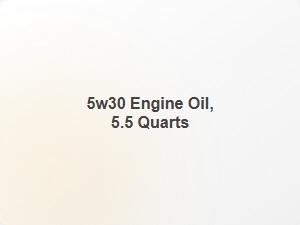 Chevrolet Wrangler Engine Oil Type and Capacity
 Chevrolet Wrangler Oil Capacity Quarts